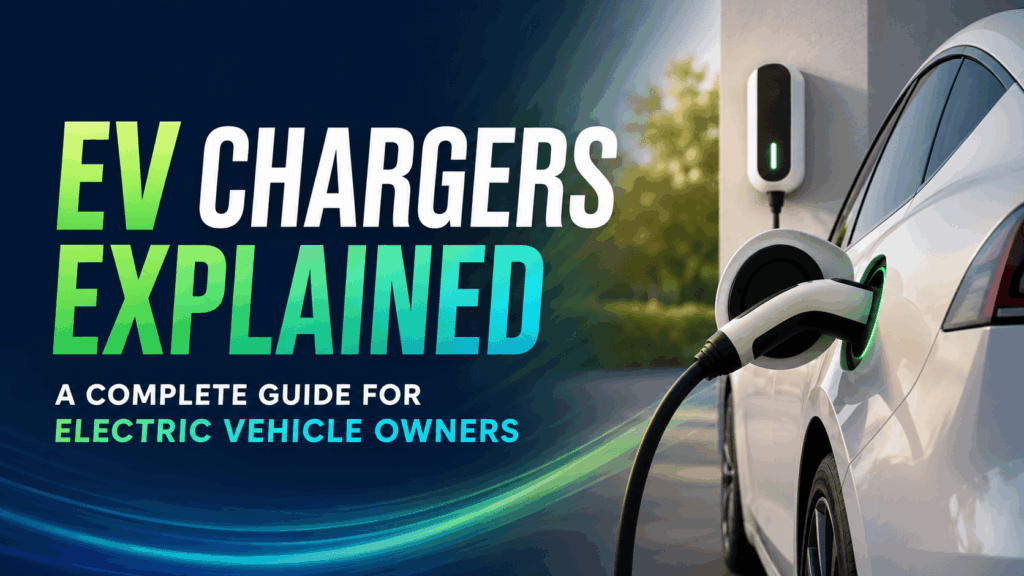
AC vs DC, charging levels, connectors and smart management — a plain-English guide to how EV charging actually works.
EV chargers are becoming an essential part of everyday life as more drivers switch to electric. But the terminology — AC, DC, Level 2, CCS2, OCPP — can be confusing. This guide breaks down how EV charging works so you can make confident decisions.
AC vs DC charging
AC (alternating current) chargers send power to your car's onboard charger, which converts it for the battery. They are affordable, widely available and ideal for homes and workplaces. DC (direct current) chargers convert power externally and feed the battery directly, delivering much faster charging for public and commercial use.
Charging levels and speeds
AC home units typically range from 7kW to 22kW, refilling a car over a few hours. Commercial AC units such as the 44kW dual charger serve two vehicles at once. DC fast chargers from 30kW up to 480kW can add substantial range in minutes, making them perfect for highways and fleets.
Connectors and standards
In Pakistan, Type 2 is the standard AC connector and CCS2 is used for DC fast charging. Most EVs on sale today support both, and CITA chargers are built to work across all major brands.
Smart charging and management
Modern chargers connect to apps and management platforms using OCPP. This enables scheduling, remote monitoring, access control, billing and load balancing — turning a simple charger into a fully managed asset for homes, businesses and public networks.
Looking for the right charger?
Our team will recommend the perfect CITA EV solution for your site.